The Startup's Guide to Engineering: Key Considerations for Early-Stage Companies
Engineering for Startups: A Strategic Roadmap to Product Success in New Zealand
Key Takeaways
- Most startups fail due to a lack of market need or running out of cash during the scaling phase.
- Staged engineering investment helps preserve capital while validating product-market fit.
- New Zealand businesses are significantly increasing their R&D spend to stay competitive.
- External engineering partners provide the specialised skills needed to bridge the gap between a concept and a compliant, scalable product.
- Design independence ensures you retain ownership of your intellectual property and manufacturing flexibility.
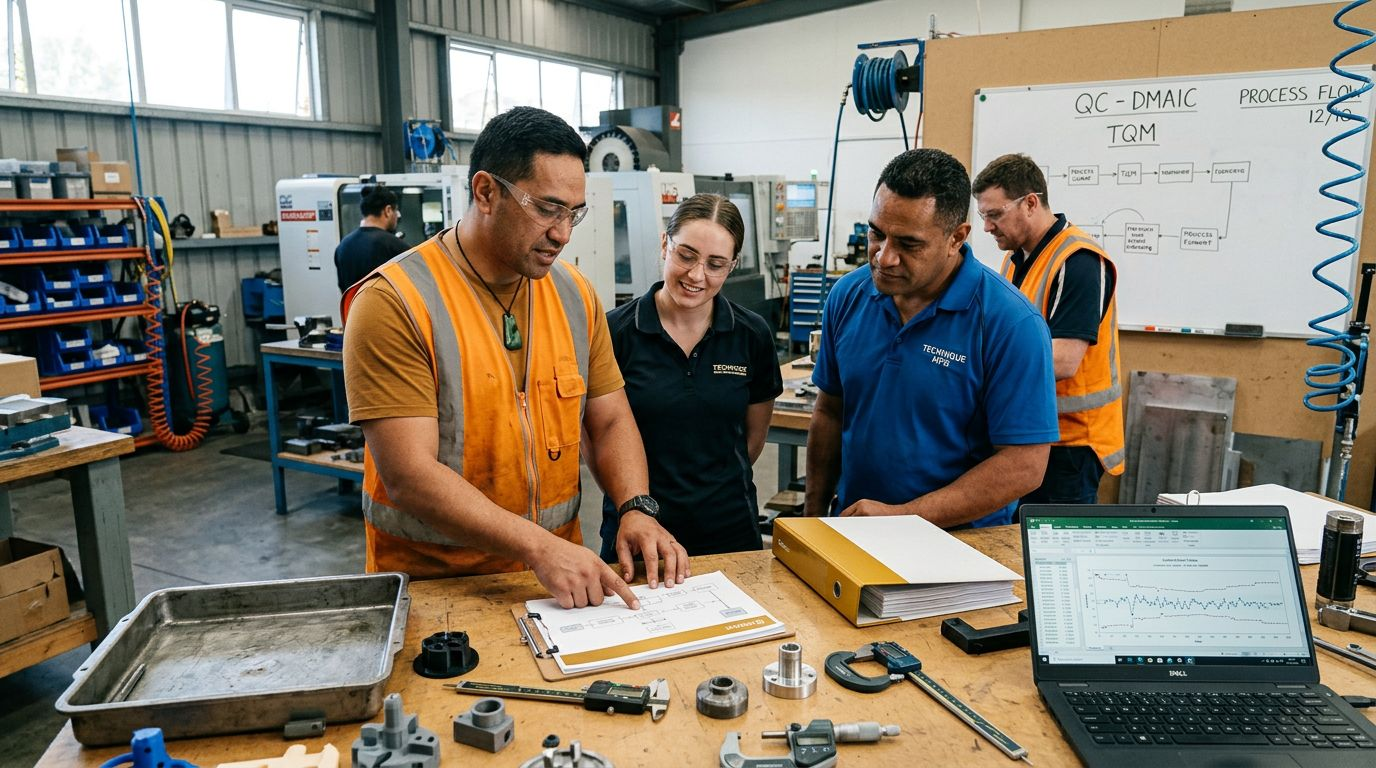
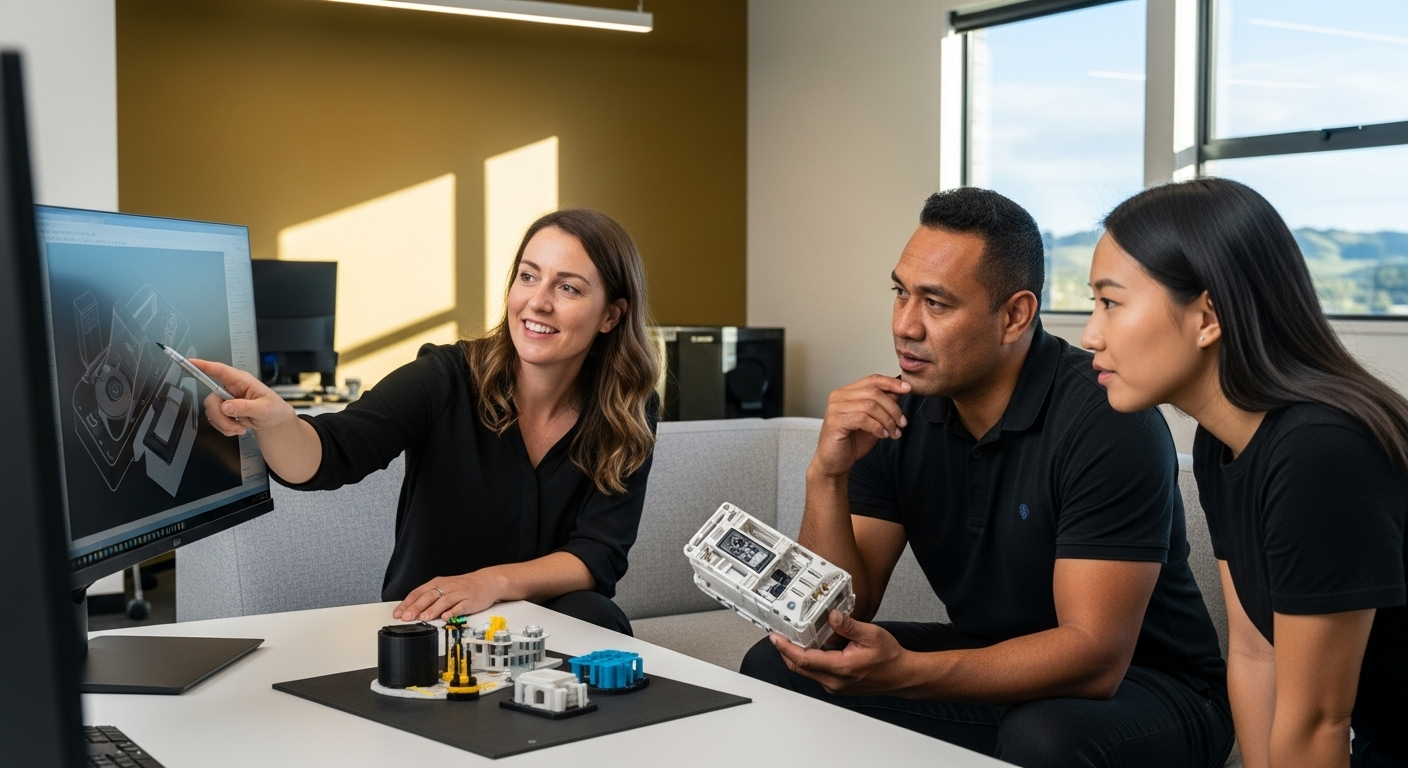
The journey from a clever idea to a physical product on a shelf is often more complex than founders expect. In our experience, the enthusiasm of the early days can lead to a common trap: rushing straight into building without a clear engineering strategy. For a startup in Tauranga or a small team in Wellington, the pressure to show progress is real, but moving too fast often leads to expensive dead ends. We view engineering for startups as a strategic, staged journey rather than a simple set of drawings or a single prototype.

Why Most Hardware Startups Struggle to Scale
Building a hardware product involves a brutally high-risk environment. Data from the Founders Forum indicates that 90% of startups fail overall. The reasons are often predictable: 42% fail because there is no market need for what they built, and 29% fail because they run out of funding. These failures happen most critically in years two to five, exactly when a business is trying to scale its operations. We have seen this happen when founders spend their entire budget on a high-fidelity prototype before validating if the market actually wants the product or if it can even be manufactured at a reasonable cost.
Success requires a shift in perspective. Treating engineering as a direct path to growth, rather than just a technical hurdle, allows you to stage your spending. By validating the core mechanics and market demand early, you avoid the "no market need" trap that claims nearly half of all new ventures. Our approach focuses on ensuring that every dollar spent on design and engineering brings you closer to a compliant, scalable product.
The Global Shift Toward External Engineering Expertise
Smart startups increasingly lean on external engineering partners to fill technical gaps. This trend is reflected in the massive growth of the global product design and development services market. Precedence Research projects this market will grow from US$22.71 billion in 2026 to US$54.16 billion by 2035. This represents a Compound Annual Growth Rate (CAGR) of 10.14%. A CAGR is simply the average annual growth rate of a market over a specific period, providing a clear picture of its steady expansion. Within this sector, mechanical product engineering services and detailed design represent a significant portion of the work being outsourced.
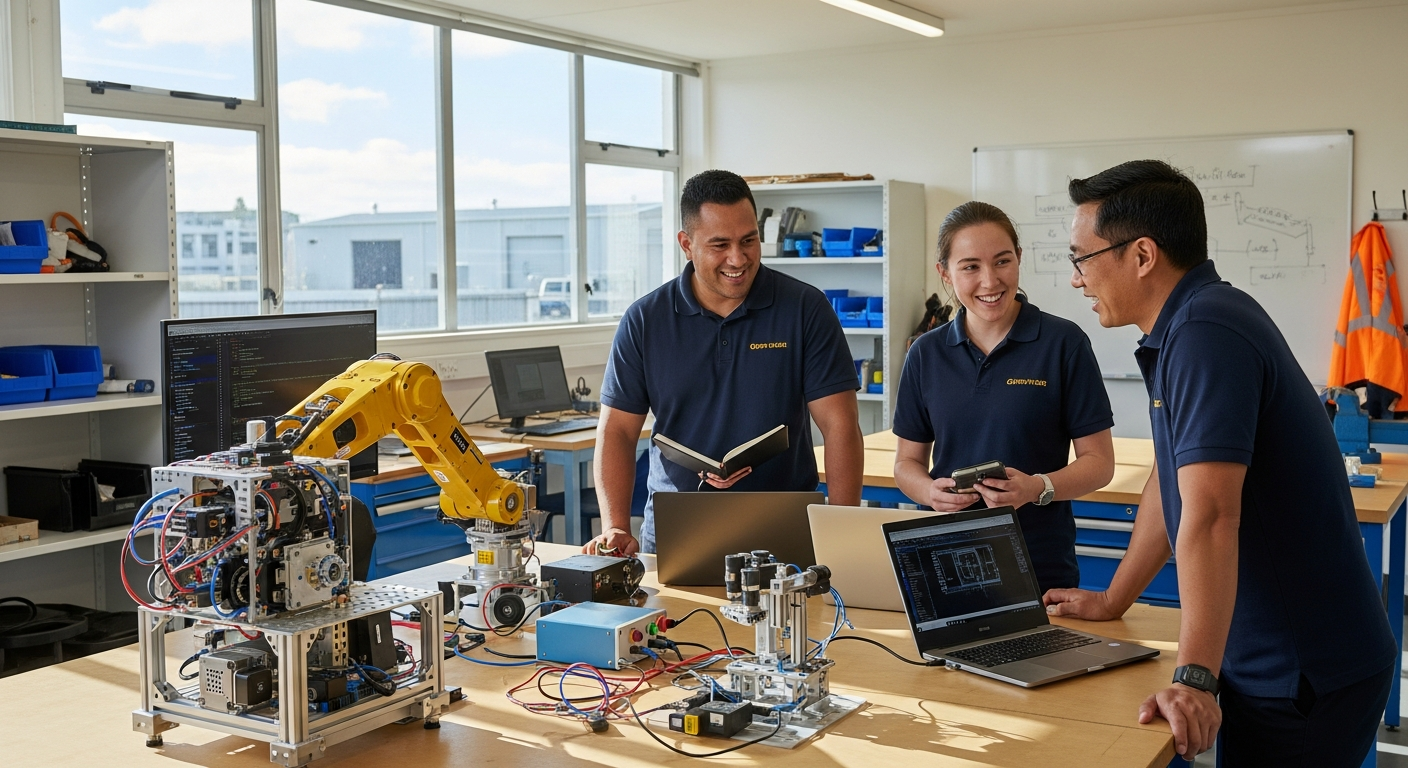
Prototyping has also become a mainstream strategy for de-risking development. Persistence Market Research estimates the global product prototyping market will reach US$23.8 billion in 2026 and hit US$51.0 billion by 2033. Functional prototypes, which are working models used to test the actual performance of a design, hold a massive share of this market. Relying on an external partner for these services allows a startup to access high-end tools and expertise without the overhead of hiring a full-time internal team before the business is ready.
Navigating the Product Design Journey in New Zealand
The innovation ecosystem in New Zealand is maturing rapidly. We are seeing a significant lift in local investment. According to Stats NZ, New Zealand’s total R&D spending reached $6.4 billion in 2024, which is a 21% increase in just two years. Businesses are responsible for 63% of that spend, showing that the private sector is taking the lead in creating new technology. R&D stands for Research and Development, the process by which a company works to obtain new knowledge that it might use to create new technology, products, or services.
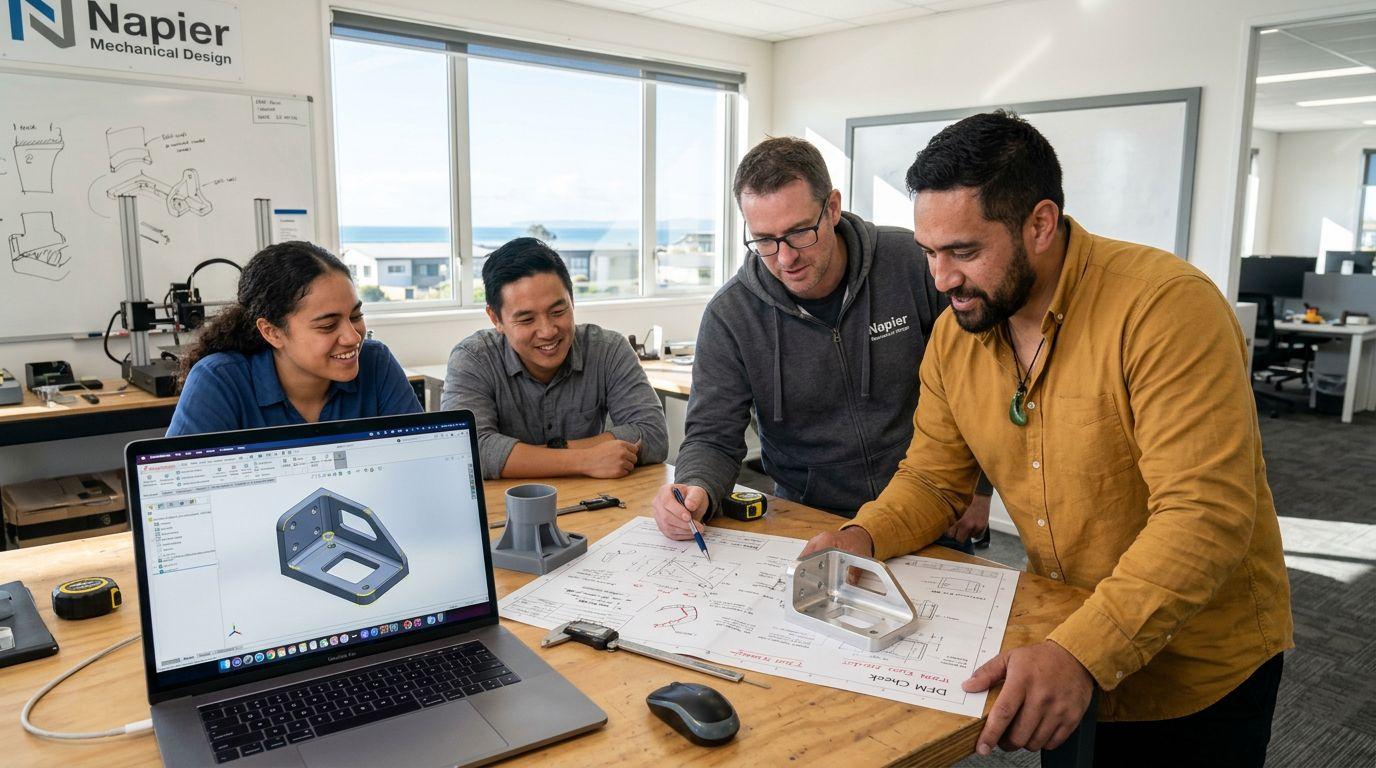
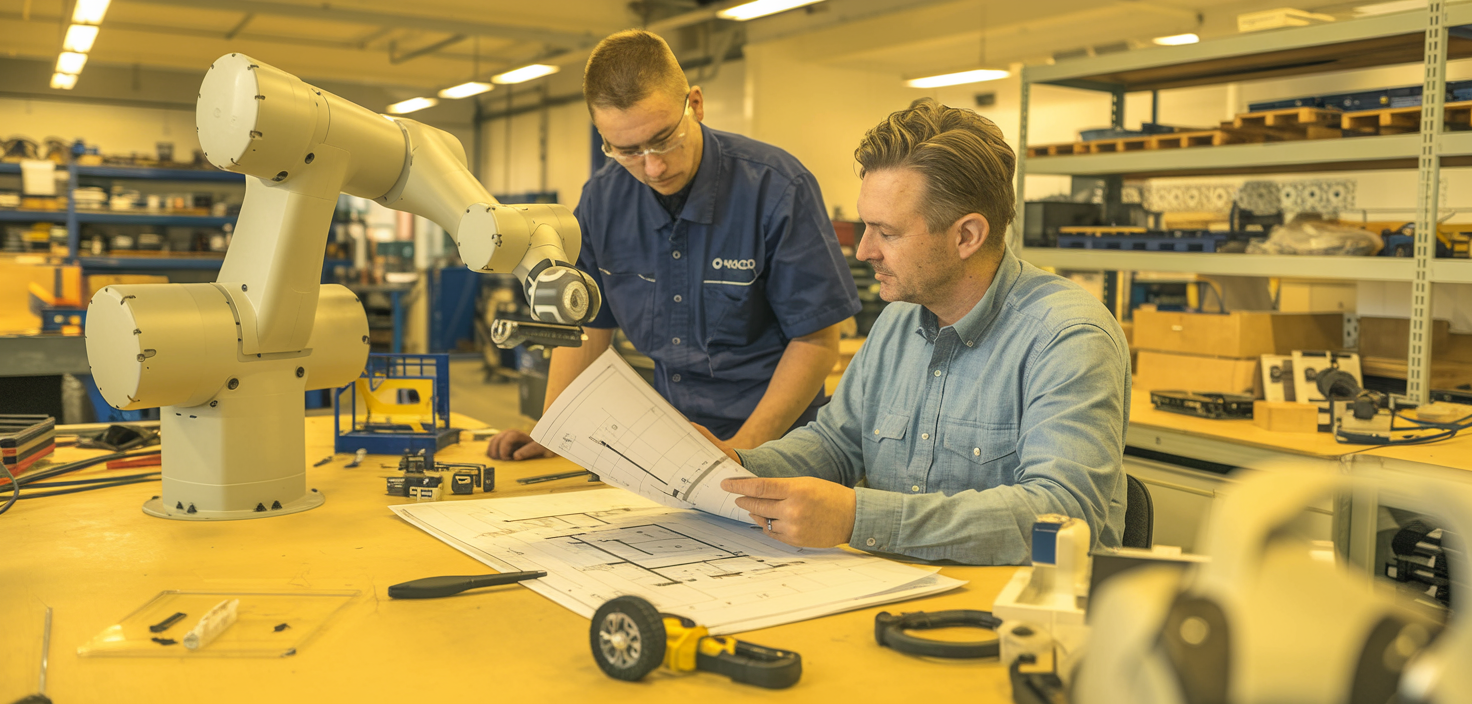
To succeed in this competitive environment, we recommend following a structured product design journey in New Zealand. This process starts with research and validation to ensure the product solves a real problem. From there, it moves into CAD-based design and design for manufacturability (DFM). DFM is the practice of designing parts or products so they are easy and cost-effective to manufacture. Following this with rapid functional prototyping and design verification ensures the product meets all necessary standards before you commit to expensive tooling.
Using Modern Tools to Compress Development Timelines
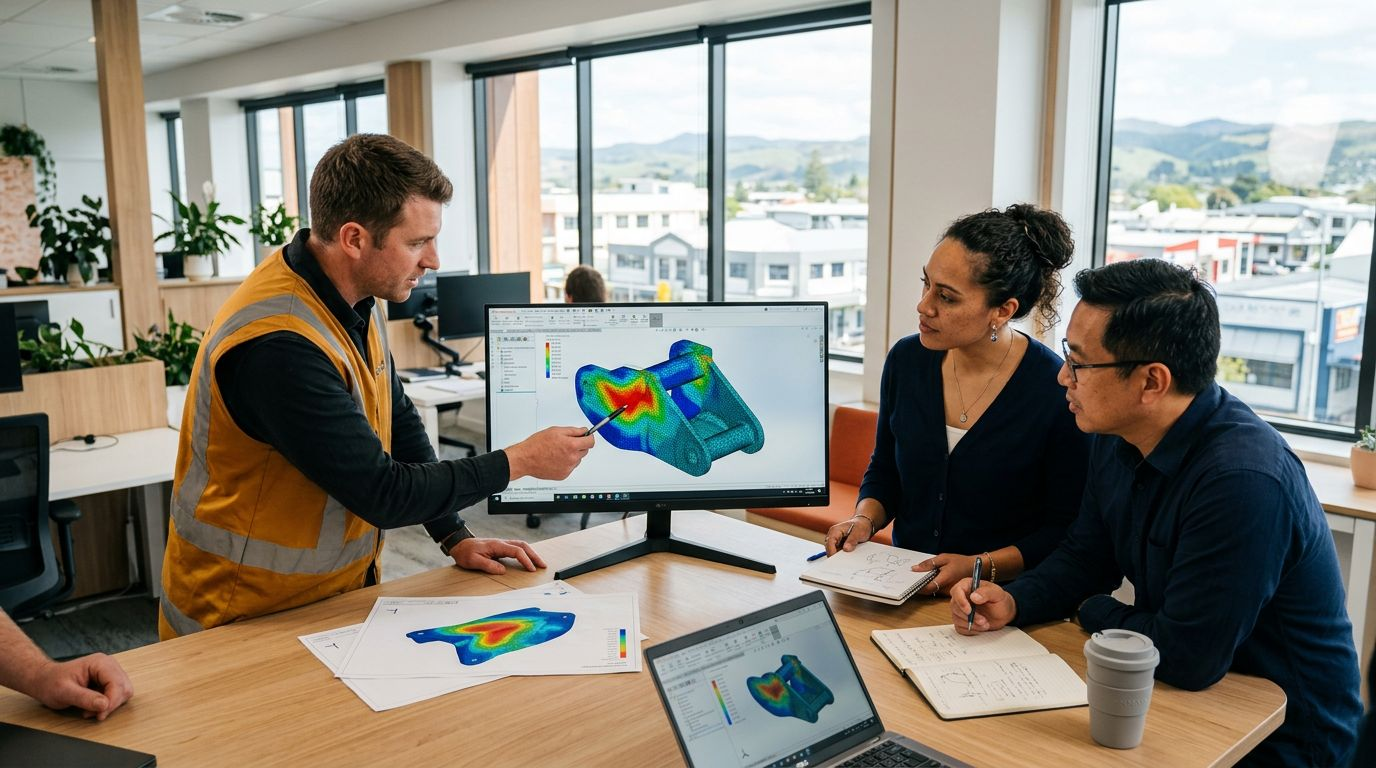
Efficiency is the lifeblood of a startup. Modern engineering workflows now incorporate advanced tools to speed up the design process. A New Zealand-focused report highlights that 82% of organisations in the country now use AI, and 93% of those users say AI has made their workers more efficient. In our field, this efficiency comes from using AI-assisted simulation, complex surface modelling, and generative design. These tools allow us to test how a part will behave under stress or heat before we ever print a physical version.
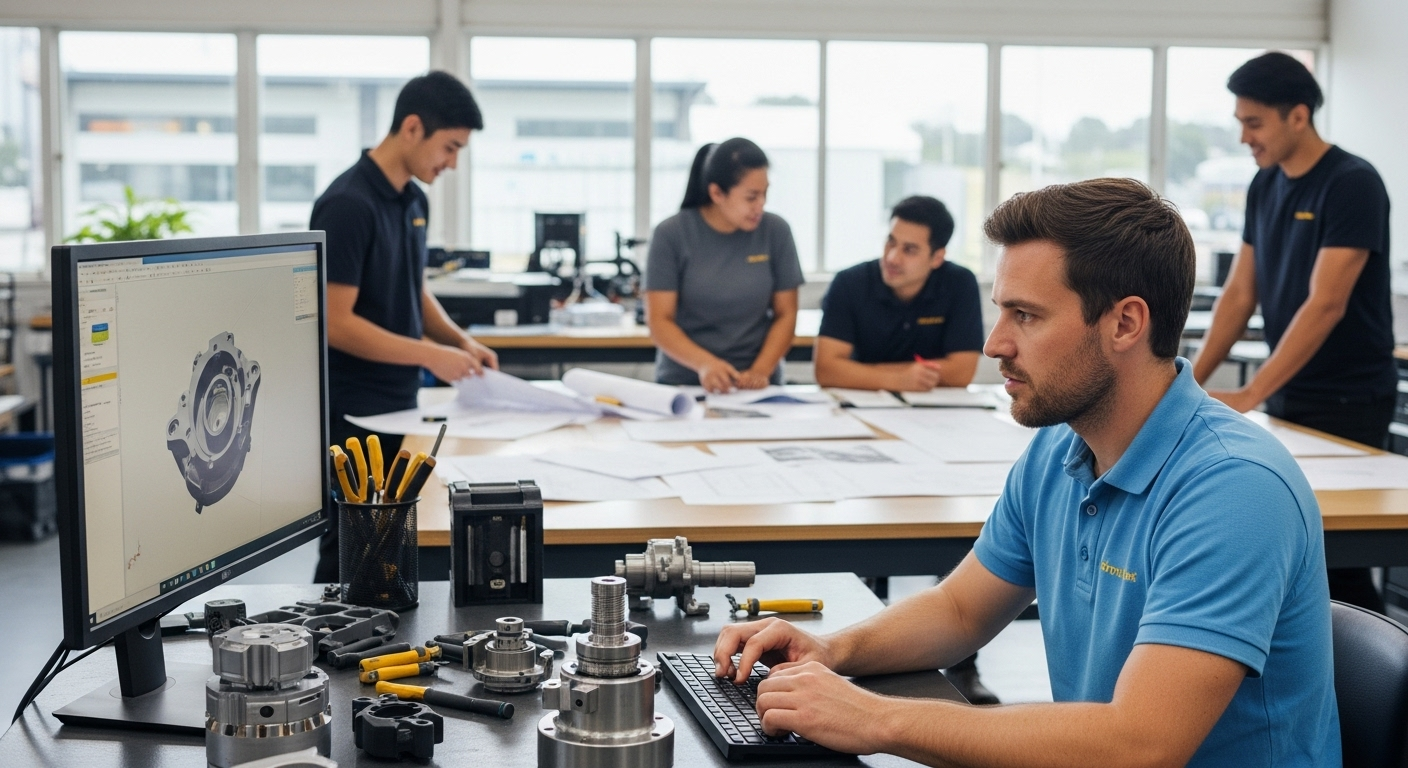
By using our mechanical design and drafting services, startups can explore ideas flexibly. We use CAD-driven workflows to create manufacturing-ready files, allowing for extensive iteration in a digital environment. This digital-first approach is essential for de-risking projects. It allows you to find and fix flaws when they only cost a few hours of design time, rather than thousands of dollars in wasted materials or failed production runs.
Selecting the Right Engineering Partner
Choosing who to work with is one of the most important decisions a founder makes. The local market is currently facing a unique challenge. While the industry revenue is set to reach about $10.5 billion by 2025–26, the sector has seen a net loss of around 1,200 employees recently. This skills shortage makes finding a partner with the right technical fit and regulatory expertise even more critical. When choosing your engineering partner in New Zealand, you should look for a team that understands the local manufacturing landscape and the specific compliance requirements of our market.
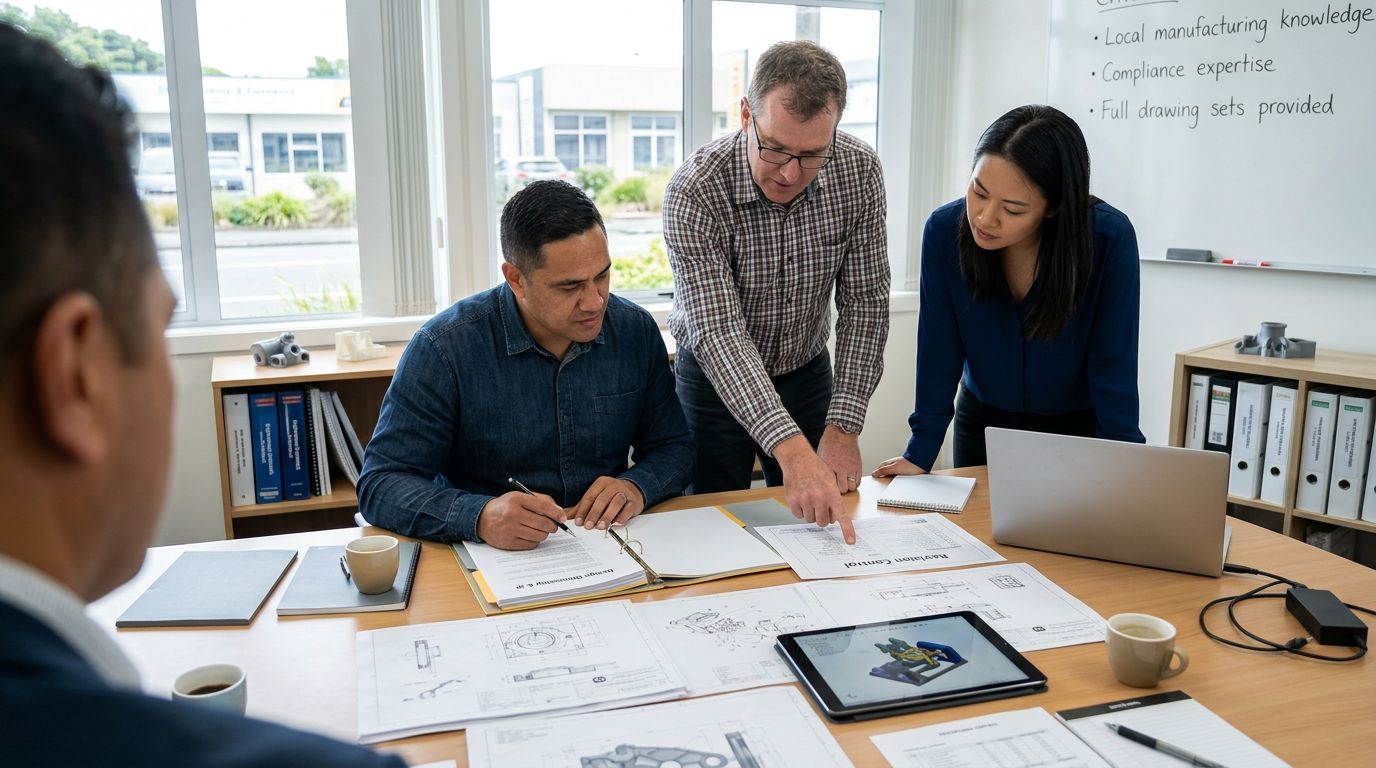
We believe in the importance of design independence. This means ensuring that you, the founder, own your intellectual property (IP) and all the associated documentation. Some manufacturers offer "free" design services, but they often keep the source files, effectively locking you into their facility. We provide our clients with full drawing sets and revision control, giving them the freedom to approach multiple manufacturers for competitive quotes. This independence is vital for scaling, as it allows you to move production as your volumes grow or as you find better suppliers.
Budgeting for the Road Ahead
We often get asked about the cost of product development. Because every project has a different scope and level of complexity, costs can vary. A simple plastic consumer good requires a very different engineering effort than a complex piece of industrial machinery. However, the value provided by a professional consultancy usually exceeds the fees. By helping you avoid compliance failures and ensuring your product is designed for efficient manufacturing from day one, an engineering partner helps you turn limited capital into a profitable, market-ready reality.
Startups succeed when they balance big-picture vision with disciplined execution. By staging your engineering journey, focusing on validation, and maintaining your design independence, you significantly increase your odds of becoming part of the 10% that thrive. Whether you are building the next great ag-tech tool in the Waikato or a medical device in Auckland, the principles of sound engineering remain the same: validate early, design for the real world, and keep control of your IP.