What is Mechatronics? Where Mechanical, Electrical, and Computer Engineering Meet
Mechatronics Engineering: The Brains Behind NZ's Smartest Machines
Key Takeaways
- Mechatronics engineering is the synergistic combination of mechanical, electrical, and computer engineering to create intelligent, automated systems.
- This interdisciplinary field is no longer a niche but a fundamental part of modern product design and manufacturing in New Zealand, especially in robotics and automation.
- Real-world applications range from advanced medical devices and surgical implants to sophisticated factory automation and agricultural technology.
- At Nexus Engineering, we apply a mechatronic mindset to solve complex challenges, moving beyond traditional design to deliver integrated and effective solutions.
Walk through any modern factory, look under the hood of a new electric vehicle, or watch a drone navigate its flight path, and you're seeing mechatronics in action. It’s the smarts behind the machine. This field is the dynamic combination of mechanical, electrical, and computer engineering, and it’s rapidly becoming the backbone of innovation here in New Zealand and across the globe.
Industry analysis consistently points towards major growth in this area. Some reports project the global mechatronics and robotics market will expand significantly in the coming years, a clear signal of its growing importance. This isn't just a trend; it's a fundamental shift in how we design and build things.
For us at Nexus Engineering, this approach is second nature. It’s an extension of the core principles that have always driven great engineering. Taking an idea from a simple sketch and turning it into a functional product is the journey we guide our clients on every day. Mechatronics is simply the next evolution of how we get from concept to reality in an increasingly automated world.

What is Mechatronics Engineering, Really?
At its heart, mechatronics is a design philosophy focused on integration. It’s about creating systems that are more than the sum of their parts. Think of it like the human body. You have the mechanical structure of the skeleton, the electrical signals of the nervous system, and the computer processing of the brain. They don't work in isolation; they are completely integrated. A mechatronic system is the same.
It’s the discipline of designing products with built-in intelligence. A traditional machine might perform a task. A mechatronic machine performs a task, senses its environment, processes that information, and adapts its actions accordingly.
This approach moves engineering from building static components to creating dynamic, responsive systems. That’s the magic of it.
The Three Pillars of Mechatronics
To truly get what mechatronics is, you have to understand its core components. In our work, we see these three disciplines as inseparable parts of a whole, each one informing the others from the very start of a project.
1\. Mechanical Engineering: The Physical Foundation
This is the skeleton. It’s the physical structure, the housing, the gears, the motors, and the moving parts. A mechatronic engineer needs a deep understanding of materials, dynamics, and thermodynamics to design a physical system that is strong, efficient, and fit for purpose. Without a solid mechanical foundation, the most brilliant software is useless.
2\. Electrical & Electronics Engineering: The Power and Senses
This is the nervous system. It provides the power to make things move and the senses to perceive the world. This includes everything from circuit design and power supplies to microcontrollers, actuators, and sensors that detect temperature, pressure, position, or light. An electrical engineer working in a mechatronics team ensures the system can both act and react to its environment reliably.
3\. Computer & Software Engineering: The Intelligence
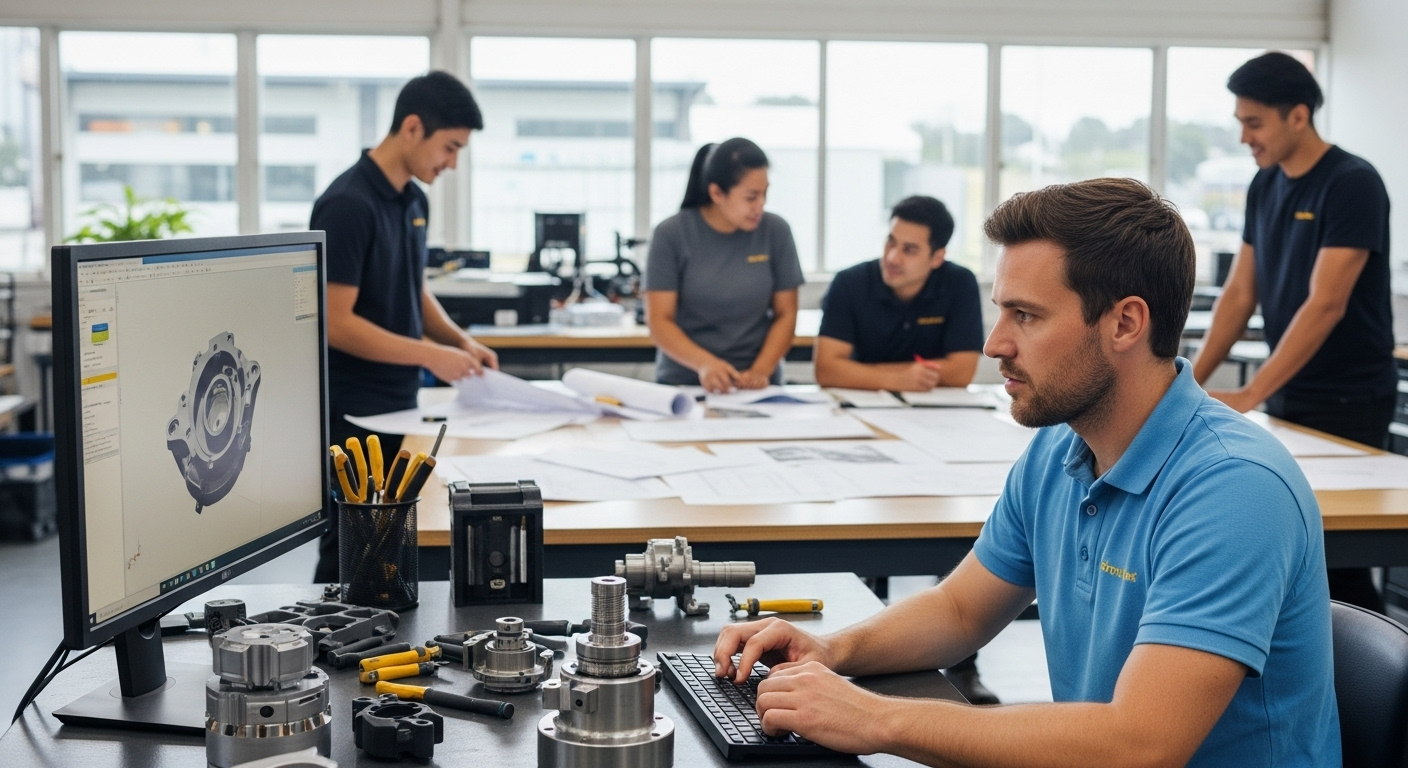
This is the brain. It’s the software and control systems that process information from the sensors and send commands to the actuators. This pillar involves programming, control theory, data processing, and creating the user interface. It’s the code that makes the machine 'smart'. In our practice, this is where the entire design comes together. As we’ve noted before, " Our focus is delivering mechanical design and drafting services to suit the New Zealand manufacturing landscape. Current manufacturing technology is heavily reliant on the generation of manufacturing files from CAD software. " That CAD software is the crucial bridge, the language that allows us to translate a complex, integrated mechatronic design into a set of instructions a machine can actually build. It’s how the digital intelligence is embedded into the physical form.
What Does a Mechatronics Engineer Do?
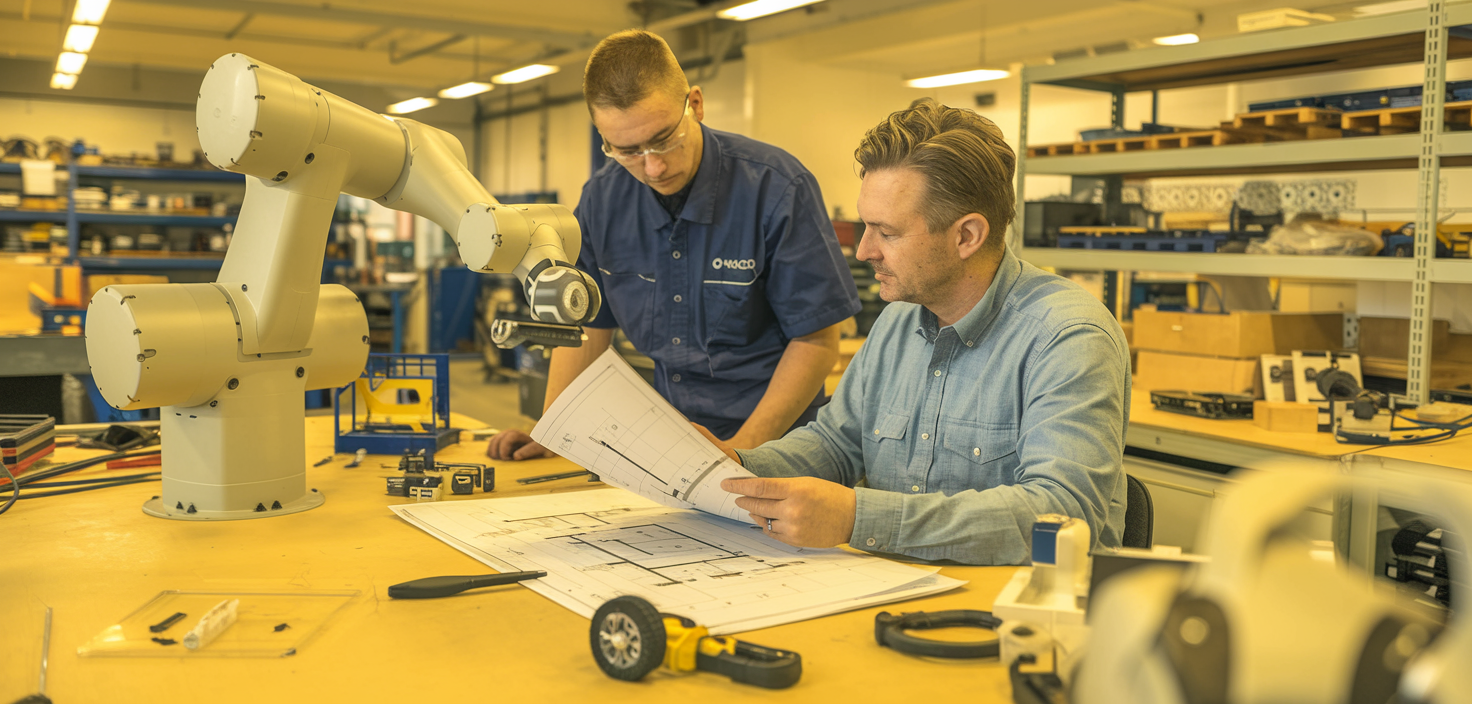
A mechatronics engineer is a systems-level thinker and a master integrator. Their primary job is to design and develop smart products and processes by combining mechanical, electrical, and computer engineering principles.
In our experience, a typical project for an engineer with a mechatronic skillset involves:
- Problem Solving: It starts with understanding the core challenge. What task needs to be automated? What process needs to be made more efficient or safer?
- System Design: They architect the entire system, deciding which sensors, motors, controllers, and mechanical components are needed and how they will work together.
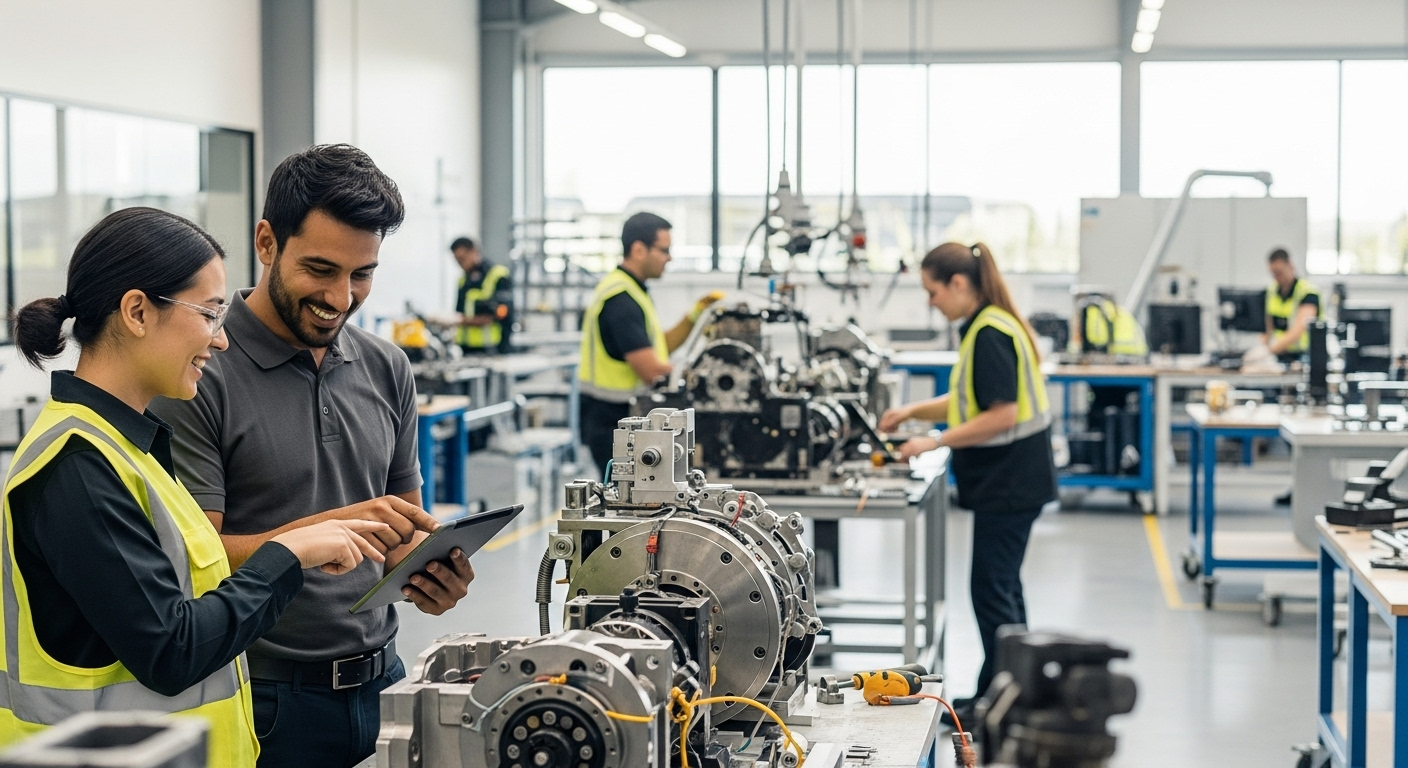
- Integration: This is the key. They don't just design the parts; they make them talk to each other. This involves physical assembly, wiring electronics, and writing the software that ties it all together.
- Programming & Control: They write the code for microcontrollers or PLCs (Programmable Logic Controllers) that dictate the machine's behaviour. This is the 'logic' in mechatronics.
- Testing & Refinement: No design is perfect the first time. A huge part of the job is testing the system, identifying bugs in the code or weaknesses in the mechanical design, and iterating until it works flawlessly.
They are the ultimate engineering generalists, with the specialist skill of making different technologies function as one cohesive unit.
Mechatronics in Action: From Concept to a Real-World Solution
Theory is one thing, but seeing these principles applied is where it gets exciting. We often work on projects that, while not labelled 'mechatronics' from the outset, absolutely rely on its integrated mindset to succeed. These projects demand a blend of precision mechanics, advanced software, and an understanding of the final application.
A perfect example is a project we undertook involving veterinary surgical implants. The goal was to design and supply custom implants for fusing vertebrae in animals. This wasn't just a simple mechanical design task. It required an extremely high degree of precision and a deep integration of different disciplines.
The process involved using sophisticated software for " complex surface modelling and mesh work " to create a digital version of the implant perfectly tailored to the anatomy. This is the computer and software engineering pillar at work. This digital design then had to be translated into a physical object through advanced manufacturing processes, ensuring the mechanical properties were perfect for a demanding medical application. You can see some of our past engineering projects that showcase this kind of integrated approach.
This is the essence of mechatronics in practice: using advanced software to design a complex mechanical part that functions perfectly within a sensitive biological system. It’s the synergy that produces a result that wouldn't be possible by looking at the problem through a single engineering lens.
Career Opportunities and the Future of Mechatronics in New Zealand
The job market for engineers with mechatronics skills is strong and getting stronger. As New Zealand industries continue to embrace automation to improve productivity and compete globally, the demand for people who can design, build, and maintain these smart systems is only going to increase.
We're seeing huge opportunities in sectors like:
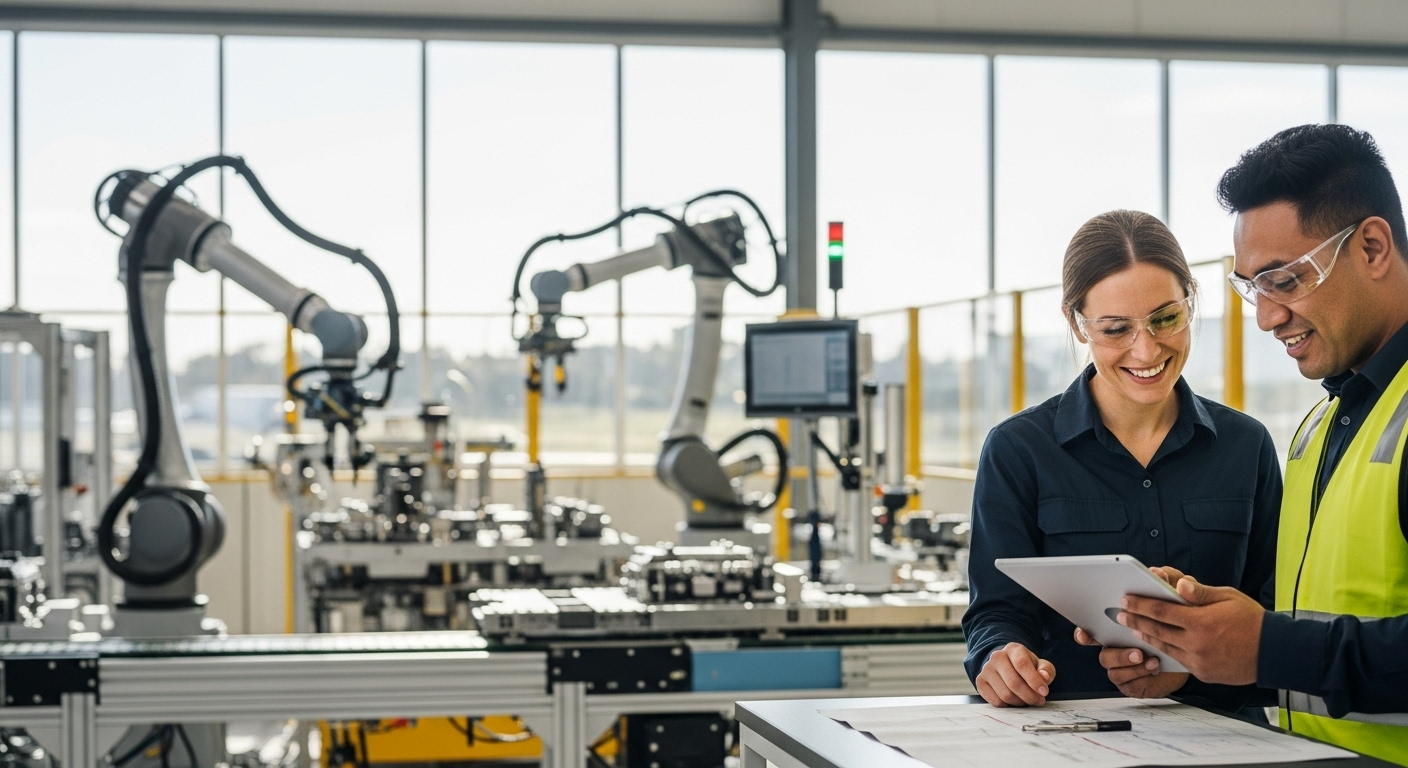
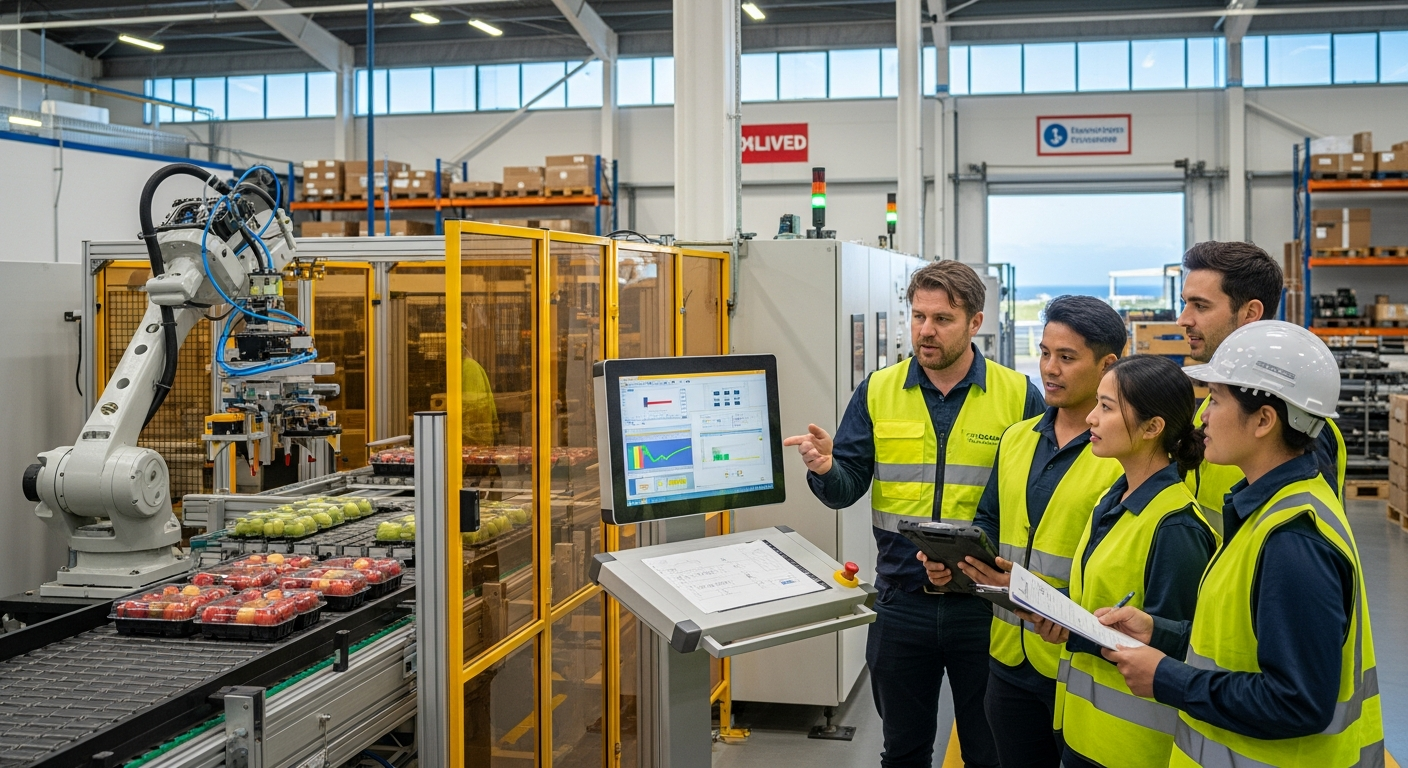
- Advanced Manufacturing: Designing robotic arms, automated quality control systems, and smart factory floors.
- AgriTech: Developing automated harvesters, soil-sensing drones, and robotic milking systems.
- Medical Technology: Creating prosthetic limbs, robotic surgical tools, and diagnostic equipment.
- Aerospace and Defence: Working on unmanned aerial vehicles (UAVs) and sophisticated guidance systems.
- Consumer Products: Designing the smart appliances and devices that are becoming common in our homes.
A qualification in mechatronics engineering, whether it's a dedicated bachelor of engineering degree or a specialization within a mechanical or electrical programme, opens doors to a huge range of exciting career paths. It prepares you to be a problem-solver in a world where machines are getting smarter every day.
If you're facing an engineering challenge that feels too complex for a standard approach, it might be time to think like a mechatronics engineer. It's about seeing the whole system, not just the individual parts.
At Nexus Engineering, this integrated, multi-disciplinary approach is how we tackle our clients' toughest problems. If you have an idea for a smart machine or an automated process, we have the expertise to help you bring it to life. Get in touch with us today.