Product Design in NZ: Turning Your Vision into a Market-Ready Reality
From Idea to Impact: Your Guide to the Product Design & Development Journey in New Zealand
Key Takeaways
- The product design process is a structured journey that transforms a concept into a market-ready product through stages like research, design, prototyping, and testing.
- New Zealand is experiencing a significant boom in innovation, with R&D spending on the rise and strong government support available for businesses.
- Partnering with an experienced design and engineering consultancy is a critical factor for navigating the process efficiently and avoiding costly mistakes.
- Key steps include validating your idea with market research, creating detailed digital models, building prototypes for feedback, and ensuring compliance with local standards.
New Zealand is buzzing with bright ideas. You can feel it in the air and you can see it in the numbers. In 2024, total research and development (R&D) spending in the country reached a staggering $6.4 billion, a 21% jump from just two years prior. What’s more, the business sector is driving this charge, accounting for 63% of that investment.
This tells us one thing loud and clear: Kiwi innovators and businesses are not just dreaming; they're actively investing in turning those dreams into reality. But having a great idea and the funding to back it is only the beginning. The real challenge is navigating the path from a spark of inspiration to a successful, market-ready product.
In our experience, this journey is where many promising concepts either flourish or falter. It’s a multi-stage process that requires precision, expertise, and a deep understanding of both design principles and manufacturing realities. This is our world. We partner with businesses to transform their concepts into tangible successes, and we've learned a lot along the way.
What is the Product Design Process?
The product design process is the structured lifecycle of turning an idea into a physical, marketable item. It’s a systematic approach that moves from abstract concepts to concrete specifications, involving stages of research, brainstorming, design, prototyping, testing, and refinement. Think of it as a roadmap that ensures you’re building the right product, for the right people, in the right way.
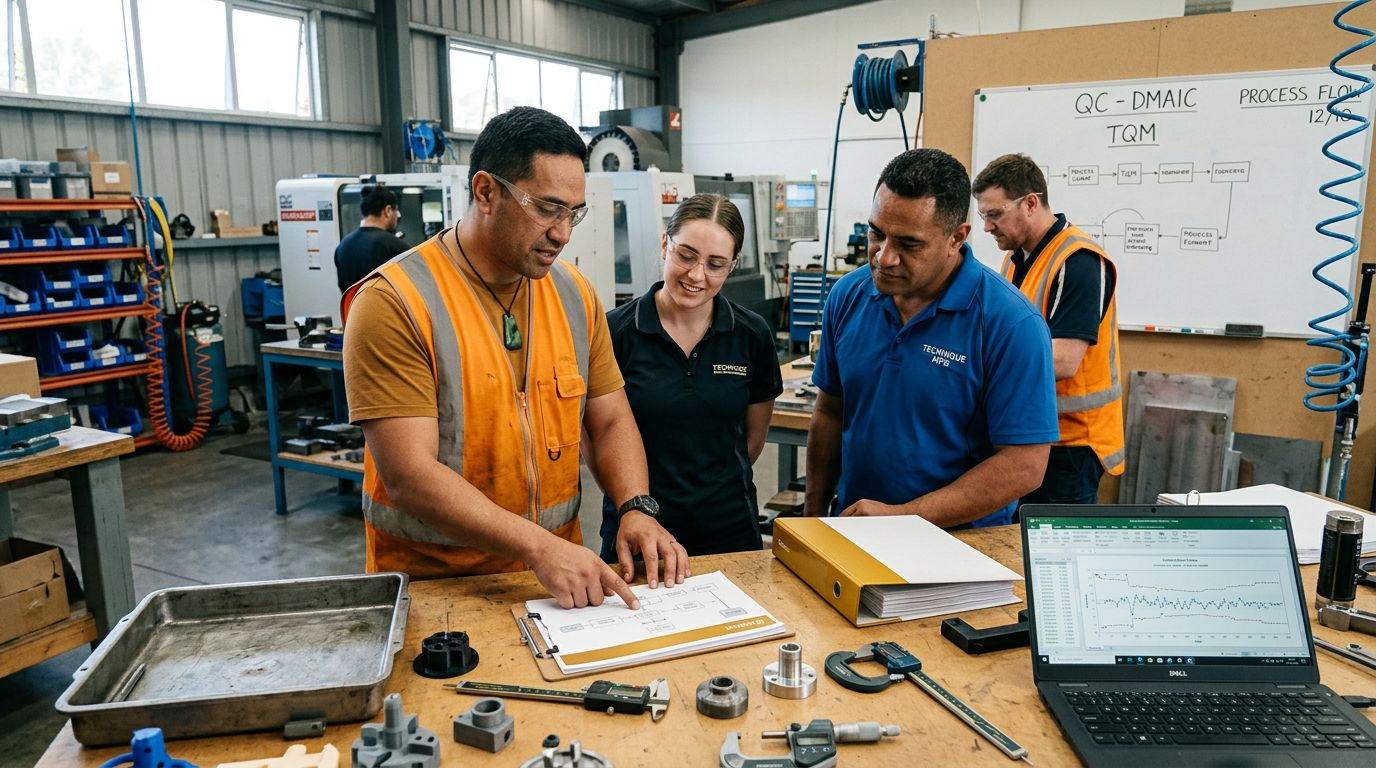
A common mistake we observe is businesses trying to jump straight from a cool idea to manufacturing. This almost always leads to expensive rework, missed market opportunities, or a product that simply doesn't work as intended. A disciplined process is your best insurance against these outcomes.

Stage 1: The Foundation – Research and Validation
Before a single line is drawn in a design program, the most important work happens. This is the validation stage, where you answer the tough questions.
- Who is this product for?
- What specific problem does it solve for them?
- Does a market for this solution actually exist?
- Who are the competitors, and what are they doing?
Answering these questions honestly saves immense time and money down the track. It's about ensuring you're not just creating something new, but something genuinely needed. This phase involves market research, user interviews, and competitive analysis to build a solid business case for your idea.
Stage 2: The Blueprint – Design and Engineering
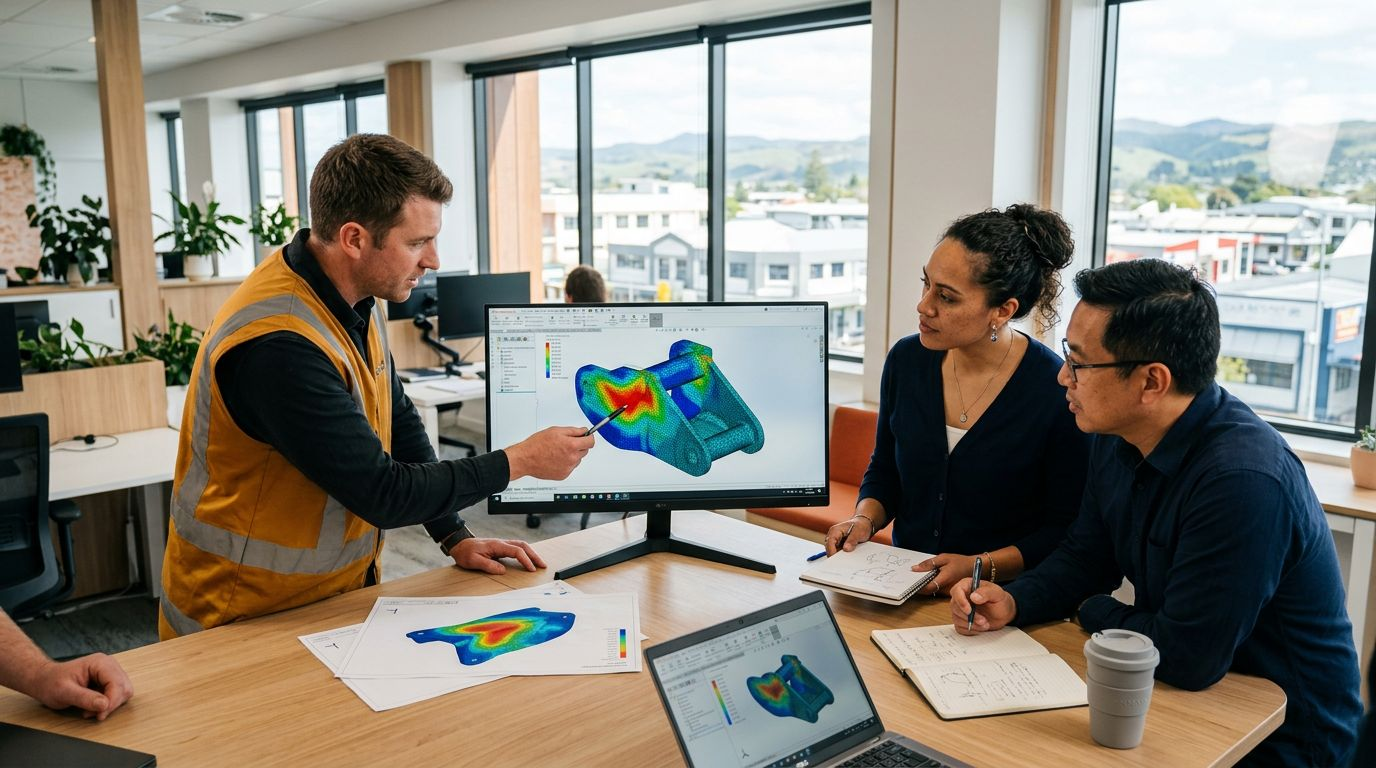
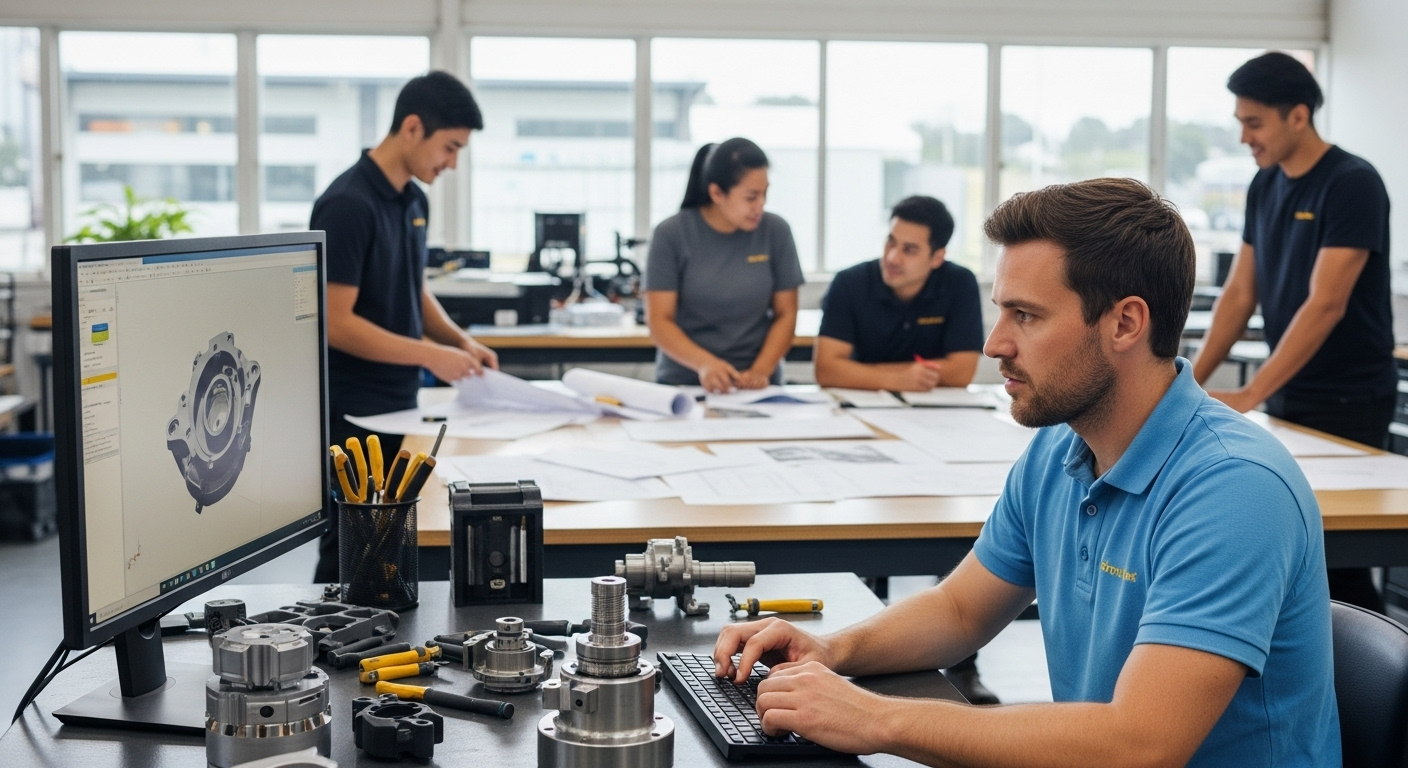
Once your idea is validated, it’s time to give it form. This is where designers and engineers collaborate to translate concepts into detailed digital models. Using Computer-Aided Design (CAD), we can create precise 3D representations of your product, exploring different shapes, mechanisms, and materials.
This digital stage is incredibly powerful. It allows for rapid iteration, letting us test different approaches and refine the design without the cost of physical production. It’s here that we provide our core services, turning rough sketches into manufacturable blueprints. A key part of our philosophy is ensuring design independence . We believe you should own your intellectual property outright, giving you the freedom to approach any manufacturer for competitive quotes rather than being tied to one.
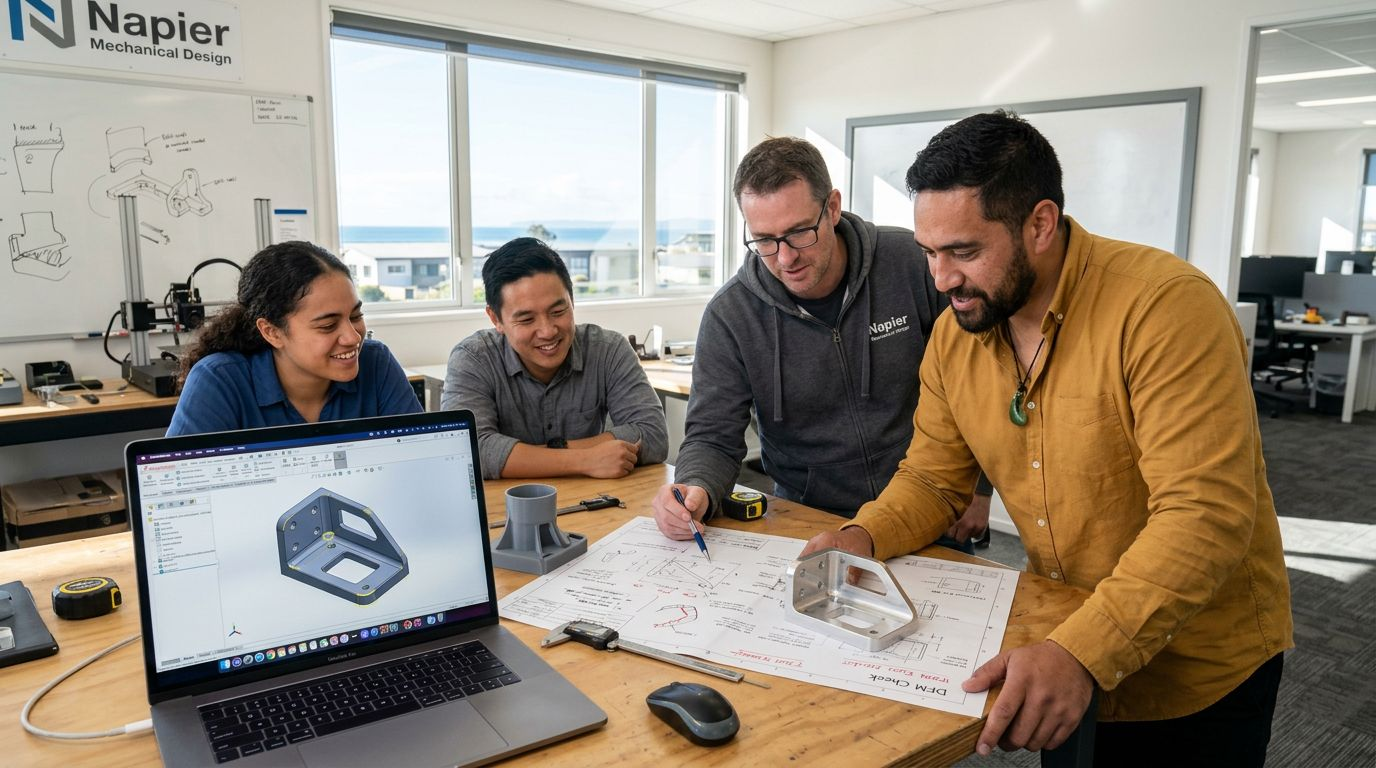
This phase is also where we start thinking about Design for Manufacturability (DFM). It’s one thing to design a beautiful product; it’s another to design one that can be produced efficiently and cost-effectively. This foresight is a hallmark of an experienced team.

Stage 3: The Reality Check – Prototyping and Testing
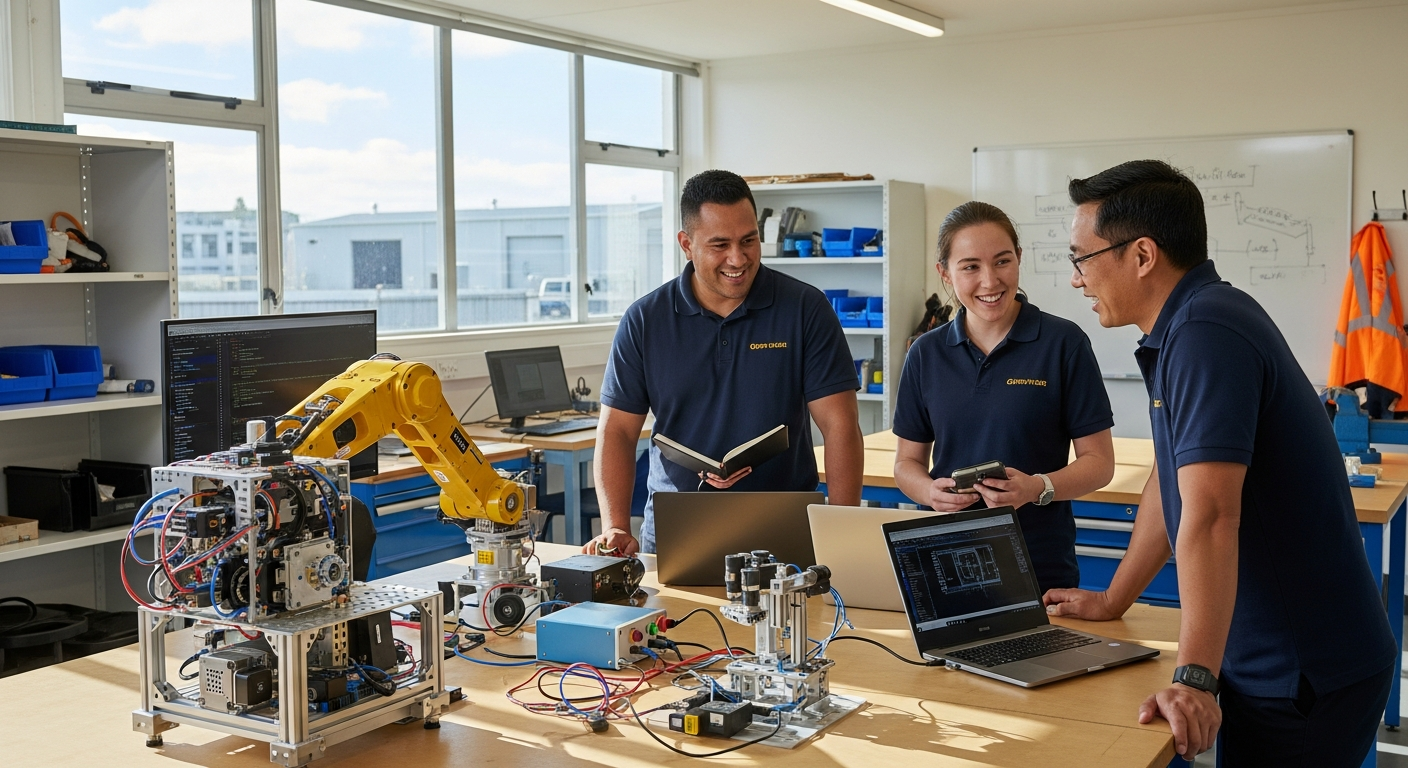
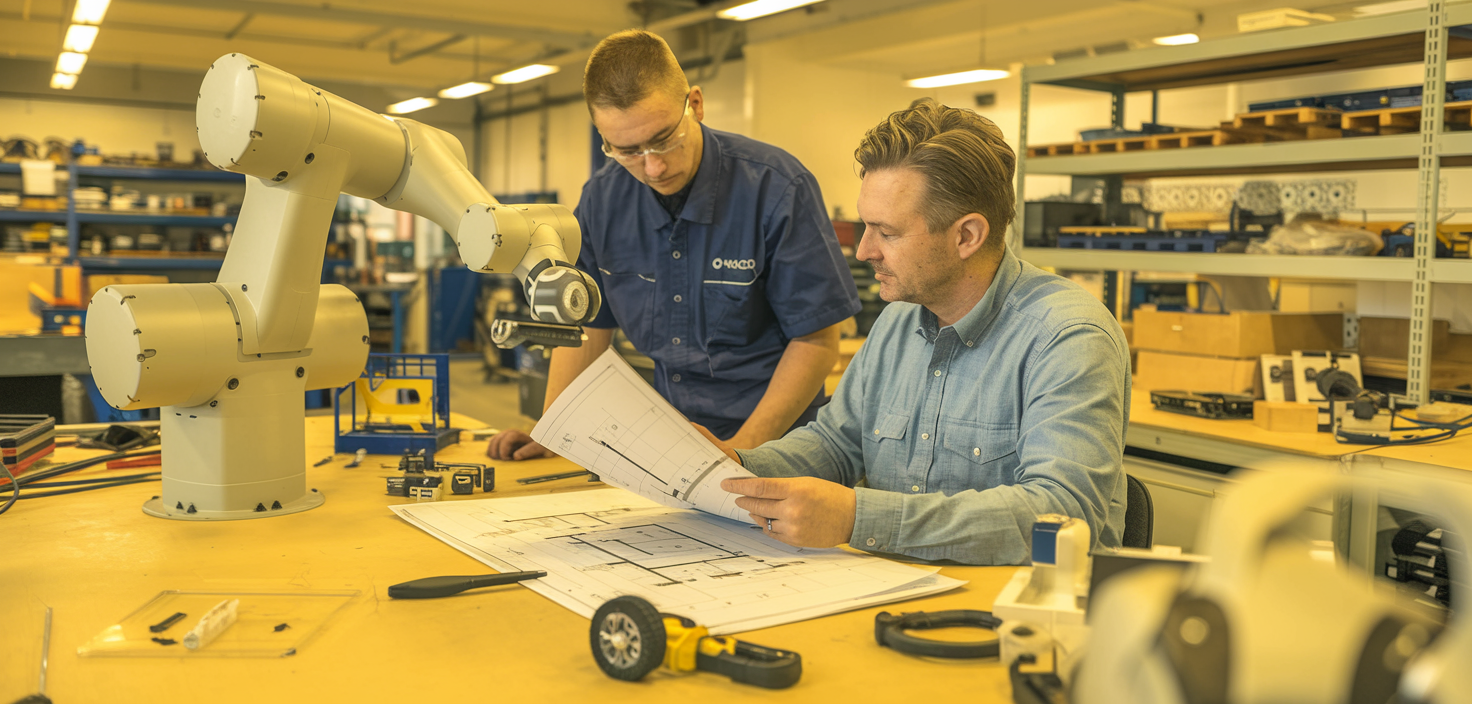
A digital model is essential, but there’s no substitute for holding a physical prototype in your hands. Rapid prototyping technologies like 3D printing have completely changed the game, allowing us to create functional models quickly and affordably.
This is the moment of truth. Does it feel right? Does the mechanism work as smoothly as it did on screen? Getting a prototype into the hands of target users provides invaluable feedback that you simply can't get any other way. We've seen products pivot entirely based on insights from this stage, saving the client from launching something that would have failed in the market. It’s an iterative loop: build, test, learn, and refine.
Stage 4: The Final Mile – Compliance and Manufacturing
With a refined and tested design, the focus shifts to production and compliance. Every product sold in New Zealand must adhere to specific regulations and standards to ensure it is safe and fit for purpose.
Properly meeting New Zealand standards is a critical step that must be planned for from the early design stages. It involves a process of design verification and preparation for certification , where we produce the necessary documentation and evidence to prove your product complies. Skipping this step can lead to your product being barred from the market entirely.
Once compliance is handled, we generate the final manufacturing drawings—the detailed instructions a factory will use to produce your product at scale.
The Power of a True Development Partner
Navigating these stages alone can be daunting. That’s why partnering with an end-to-end design and engineering consultancy can make all the difference. We act as an extension of your team, providing the specialised expertise needed at each step of the journey.
Our work spans a huge range of industries, from heavy hydraulic attachments to consumer goods. We’ve even tackled highly complex projects like the design of surgical implants for veterinary use, which required incredibly sophisticated surface modeling and an acute understanding of biocompatible materials. Seeing the breadth of what’s possible is often inspiring for new clients; feel free to view our past projects to see what we mean. A good partner doesn't just execute your vision—they challenge it, refine it, and help you build the best possible version of it.
Future-Proofing Your Process with Technology
The tools we use are constantly evolving. Today, Artificial Intelligence (AI) is playing a bigger role in product development. A recent report found that 82% of New Zealand organisations now use AI in some way. Of those, 93% report that it has made their workers more efficient. In our field, AI can help with generative design, suggesting thousands of optimised design variations, or automate complex simulations to speed up the testing phase.
Don't Forget the Support Available
That initial $6.4 billion R&D figure isn't just a statistic; it’s a signal of a supportive ecosystem. The New Zealand government actively encourages this kind of work. For instance, the Research and Development Tax Incentive (RDTI) provides a 15% tax credit on eligible R&D spending. This can significantly offset the cost of development, making it more accessible for startups and established businesses alike. Since costs can vary widely depending on a project’s complexity, every bit of support helps.
Your innovative idea deserves a professional process to bring it to life. By following a structured path and working with the right partners, you can turn that investment of time, money, and passion into a genuine success story. The journey is complex, but with a clear map, it’s a journey worth taking.