A Practical Guide to Implementing Quality Control in Your Manufacturing Process
Quality Control in Manufacturing: Best Practices for New Zealand Plants
Key Takeaways
- Quality control involves proactive process management rather than simple end of line inspections.
- Structured methodologies like Six Sigma and Total Quality Management drive significant profitability and customer satisfaction gains.
- Accurate design documentation and revision control form the foundation of consistent product quality.
- Implementing a formal quality management system can provide a substantial return on investment for manufacturing operations.
- New Zealand manufacturers can bridge the productivity gap by adopting modern quality standards and automation.
We have all stood on a workshop floor in the Waikato or an assembly line in Auckland and felt that sinking feeling when a batch comes out wrong. It is a situation that costs time, wastes materials, and puts a strain on customer relationships. In our experience, the difference between a plant that constantly fights fires and one that runs smoothly lies in how they approach quality control in manufacturing. We see quality not as a final hurdle to clear, but as a thread that must be woven through every stage of the production process.ocal businesses has shown that many treat quality as an aft
Our work with lerthought, a final check before the goods go out the door. However, shifting that mindset toward a proactive quality control process is the key to unlocking true efficiency. When we talk about quality control, we are talking about the systematic methods used to monitor and control every aspect of production to ensure the final product meets defined quality standards. It is about building a system where errors are prevented rather than just caught.
The Importance of Quality Control in the Manufacturing Industry
Why should a busy New Zealand manufacturer invest time and resources into a formal quality control system? The answer lies in the direct link between quality and the bottom line. According to the 2024 ASQ Global Quality Report, 76% of organisations practicing Total Quality Management reported profitability gains, and 89% experienced improved customer satisfaction within the first two years of implementation. These figures demonstrate that quality is a driver of business growth.
Total Quality Management, or TQM, is an organisation-wide philosophy focused on continuous improvement. It involves every employee, from the shop floor to the front office, in the pursuit of better quality processes. By focusing on the customer and making data driven decisions, businesses can reduce the costs associated with scrap and rework. In the New Zealand context, where margins can be tight and shipping costs are high, getting it right the first time is essential for maintaining a competitive edge.
Beyond the immediate financial benefits, good quality control protects your brand reputation. In a small market like ours, word travels fast. Delivering consistent quality builds trust with your clients, leading to repeat business and a stronger position in the manufacturing industry. We have seen that companies which prioritise quality requirements are better equipped to handle regulatory audits and meet local compliance standards, reducing the risk of costly legal or safety issues.

Understanding Quality Control Methodologies
To improve quality control, it helps to use recognised frameworks that provide a roadmap for success. One of the most effective tools we use is Six Sigma. This is a data driven methodology that aims to reduce defects to 3.4 defects per million opportunities in a process. While that might sound like a tall order for a small plant, the principles behind it are incredibly practical for any scale of operation.
Six Sigma relies on the DMAIC framework: Define, Measure, Analyse, Improve, and Control. This structured approach helps teams identify and eliminate variation in their manufacturing operations. First, you define the problem and the goals of the project. Next, you measure the current process performance to establish a baseline. Then, you analyse the data to find the root cause of quality issues. Once the cause is known, you improve the process by implementing solutions. Finally, you control the new process to ensure the gains are maintained over time.
Another vital tool is Statistical Process Control, or SPC. This involves using statistical methods to monitor and control a process. By plotting data on control charts, operators can see in real time if a process is drifting toward a quality problem before it actually produces a defect. This shift from reactive to proactive management is what defines modern manufacturing quality control.
Building Quality into Design and Documentation
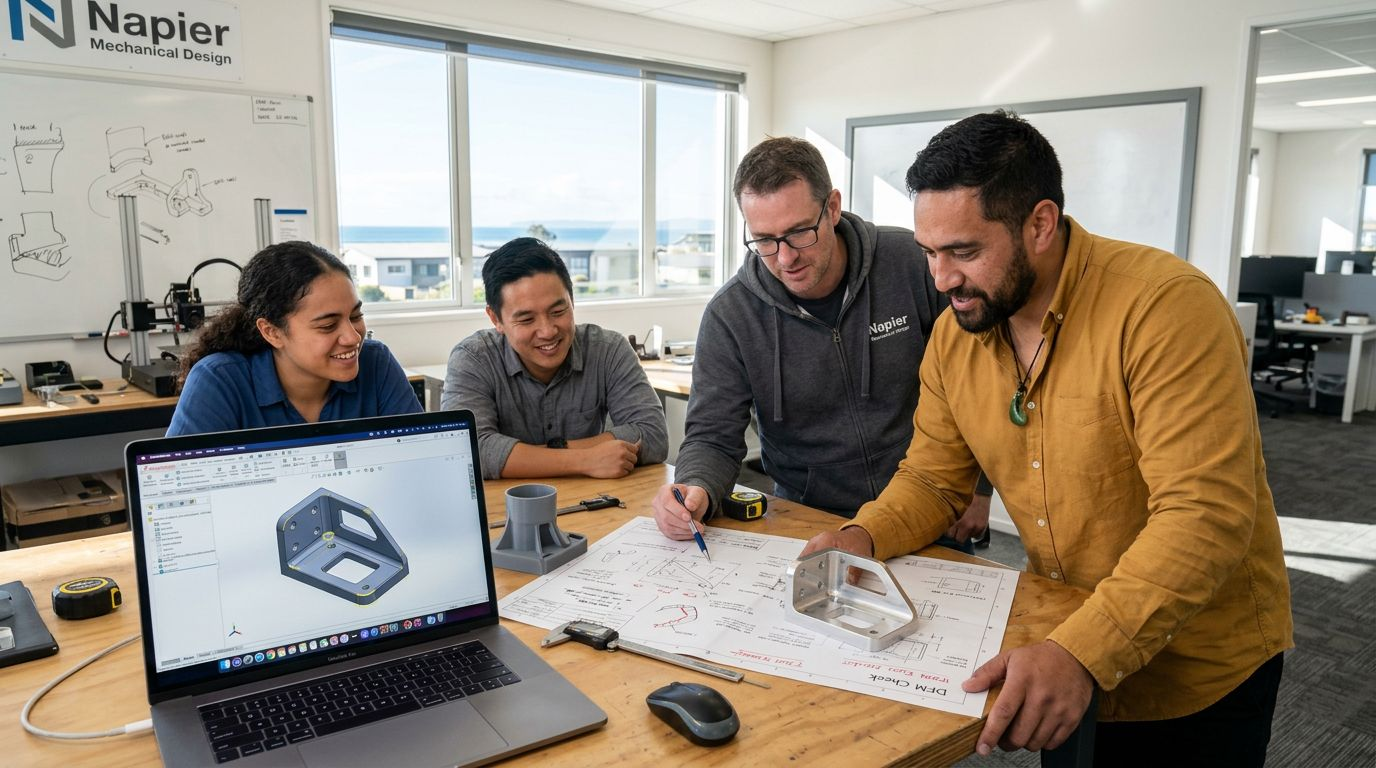
In our experience, a common mistake we observe is trying to fix quality problems on the factory floor that actually started at the drawing board. Robust quality control must begin with accurate, well controlled design documentation. If your manufacturing drawings are unclear or your revision control is messy, you are setting your production team up for failure. We focus on providing mechanical design and drafting services for NZ manufacturers to ensure that every part is defined with precision before a single machine is turned on.
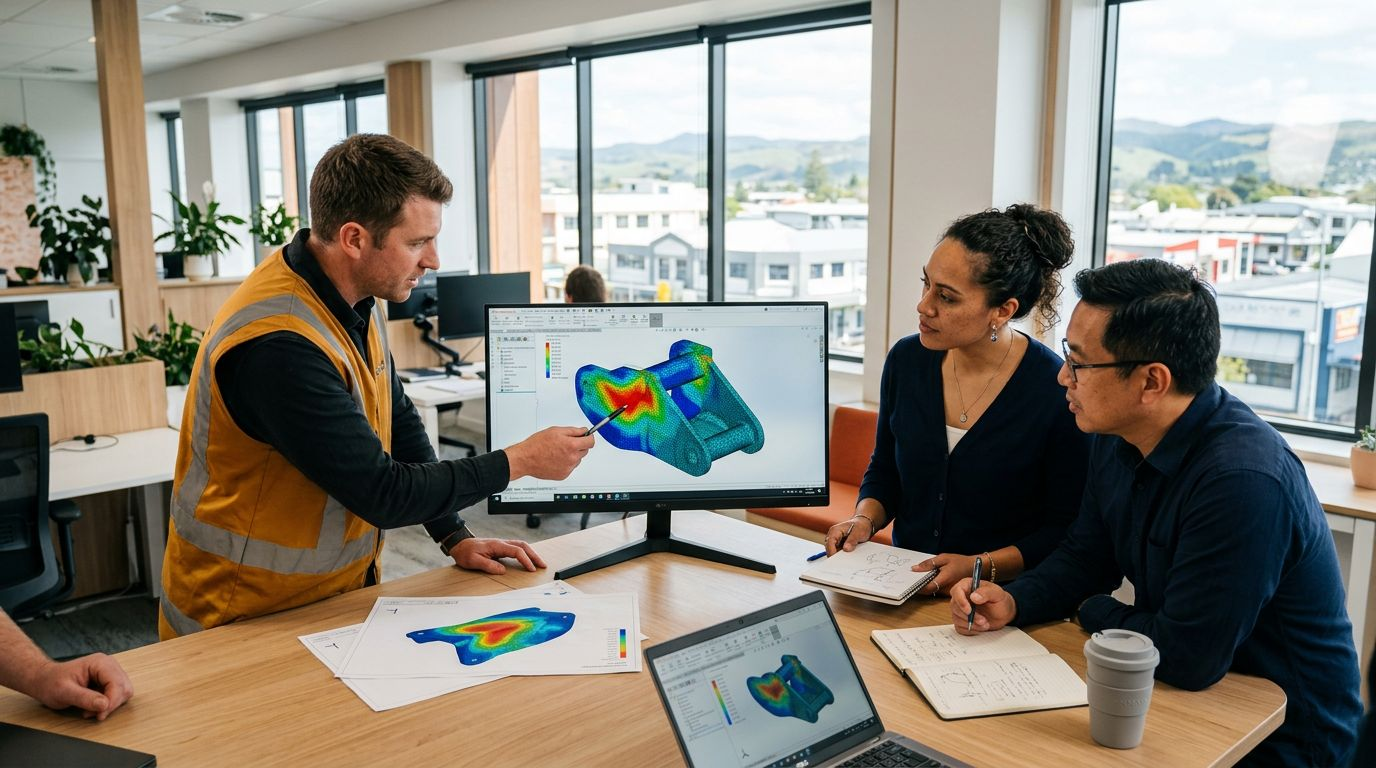
Using CAD, which stands for Computer Aided Design, allows us to iterate designs and perform stress analysis or tolerance checks before committing to production. This stage of the production process is critical for identifying potential quality issues early. When you have clear manufacturing drawings for suppliers, you ensure that even if you source parts from different vendors, they will fit together perfectly every time. This level of detail is a core part of design verification and ensures that your products meet quality standards from the very start.
Maintaining drawing revision control is another area where we add significant value. We have seen many instances where "out of control" assemblies lead to the wrong version of a part being manufactured, resulting in thousands of dollars of scrap. By bringing these documents back under control, we help businesses maintain consistent product quality and ensure that the shop floor is always working from the most recent, approved specifications.
Practical Steps for Implementing Quality Control
Setting up a quality control system in manufacturing requires a clear plan. You cannot just tell people to "watch out for mistakes" and expect results. You need a formal structure that everyone understands. According to recent guides, Essential planning steps for a QC plan include defining quality objectives, identifying critical control points, and establishing clear inspection methods. You also need to set sampling frequencies and acceptance criteria so there is no ambiguity about what constitutes a "good" part.
Start by identifying the critical quality parameters for your product. What are the dimensions, finishes, or performance characteristics that absolutely must be right? Once you know these, you can set up quality control measures at the stages of the production process where these characteristics are created. This might involve manual inspections with calipers, automated sensors on a line, or laboratory testing for material properties.
Documentation is the backbone of any quality control system. You need to record the results of your inspections and tests. This data is not just for compliance: it is the fuel for your quality improvement efforts. By reviewing these records, you can identify trends and address quality issues before they become systemic failures. We often help clients by navigating the manufacturing process in New Zealand, which includes setting up these vital quality control procedures and ensuring they are practical for the daily reality of the plant.
The Business Case for a Quality Management System
Implementing quality control requires an investment of time and money, so it is natural to ask about the return. Research into manufacturing operations shows that implementing a 300% return on investment (ROI) is achievable when a robust quality management system is put in place. This ROI comes from a combination of reduced waste, higher productivity, and increased sales from satisfied customers.
A Quality Management System, or QMS, is a formalised system that documents processes, procedures, and responsibilities for achieving quality policies and objectives. It helps coordinate and direct an organisation’s activities to meet customer and regulatory requirements. For many NZ manufacturers, this also involves preparing for certification, such as ISO 9001. We assist by providing design verification and preparation for certification, ensuring that your engineering documentation meets the high standards required by local and international bodies.
Costs for setting up these systems can vary. A startup might begin with simple spreadsheets and manual checks, while an established plant might invest in sophisticated software and automated inspection tools. Regardless of the budget, the goal remains the same: to create a repeatable process that delivers consistent quality control. The cost of doing nothing is almost always higher, as it leaves you vulnerable to quality failures that can bankrupt a small business.
Quality Control in the New Zealand Context
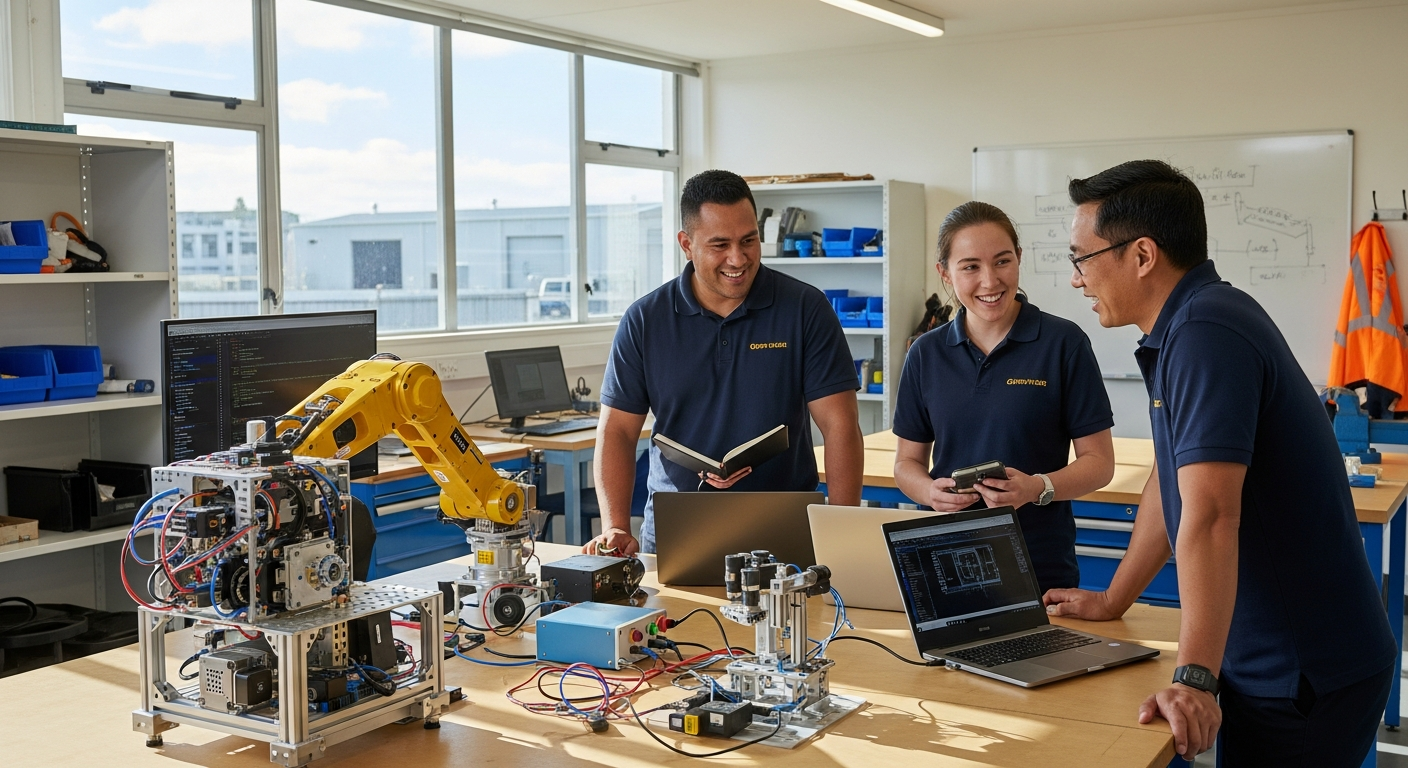
New Zealand manufacturing is a vital part of our economy, accounting for about 10% of GDP and 60% of our exports. However, we face unique quality control challenges. Our geographic isolation means that if we export a faulty product, the cost of fixing it is astronomical. Furthermore, we have a significant technology adoption gap. Reports indicate that New Zealand has a robot density of only 55 robots per 10,000 manufacturing workers, compared with 371 in Germany and 934 in South Korea. This highlights a massive opportunity to enhance quality control through better technology and processes.
We believe that the future of manufacturing in this country depends on our ability to adopt the core principles of modern manufacturing engineering. This includes not just automation, but also the rigorous application of quality control techniques. By improving our processes, we can overcome the disadvantages of our small scale and distance from markets. Quality becomes our calling card on the global stage.
Compliance with local standards is another critical area. Whether it is structural steel requirements or food safety regulations, New Zealand has strict rules that must be followed. A specialist mechanical engineering consultancy can add significant value here by ensuring that your designs and quality processes are fit for purpose and fully compliant. We take pride in helping local manufacturers meet these standards while also improving their internal efficiency.
Overcoming Common Quality Control Challenges
Even with the best intentions, implementing quality control can be difficult. One of the biggest hurdles is the human element. If your team sees quality checks as a chore or a way to get in trouble, they will not engage with the process. You must build a culture where quality is everyone's responsibility. This requires training and clear communication about why these measures matter. When people understand that quality control helps them do their jobs better and protects the company's future, they are much more likely to support it.
Another challenge is finding the optimal balance between quality and cost. It is possible to over engineer a product or spend too much on inspection, making the final item too expensive for the market. The goal is to identify the right quality control approach that provides the necessary level of assurance without unnecessary waste. This is where methodologies like Lean and Six Sigma are so valuable, as they focus on eliminating anything that does not add value to the customer.
Finally, maintaining consistent quality control over the long term requires discipline. It is easy to start a new programme with enthusiasm, only for it to fall away when things get busy. This is why the "Control" phase of DMAIC is so important. You need to have systems in place to audit your own quality processes and ensure they are still being followed correctly months or years down the line. Regular reviews of your quality outcomes will help you identify when it is time to update your methods or invest in new tools.
The Role of Quality Control in Continuous Improvement
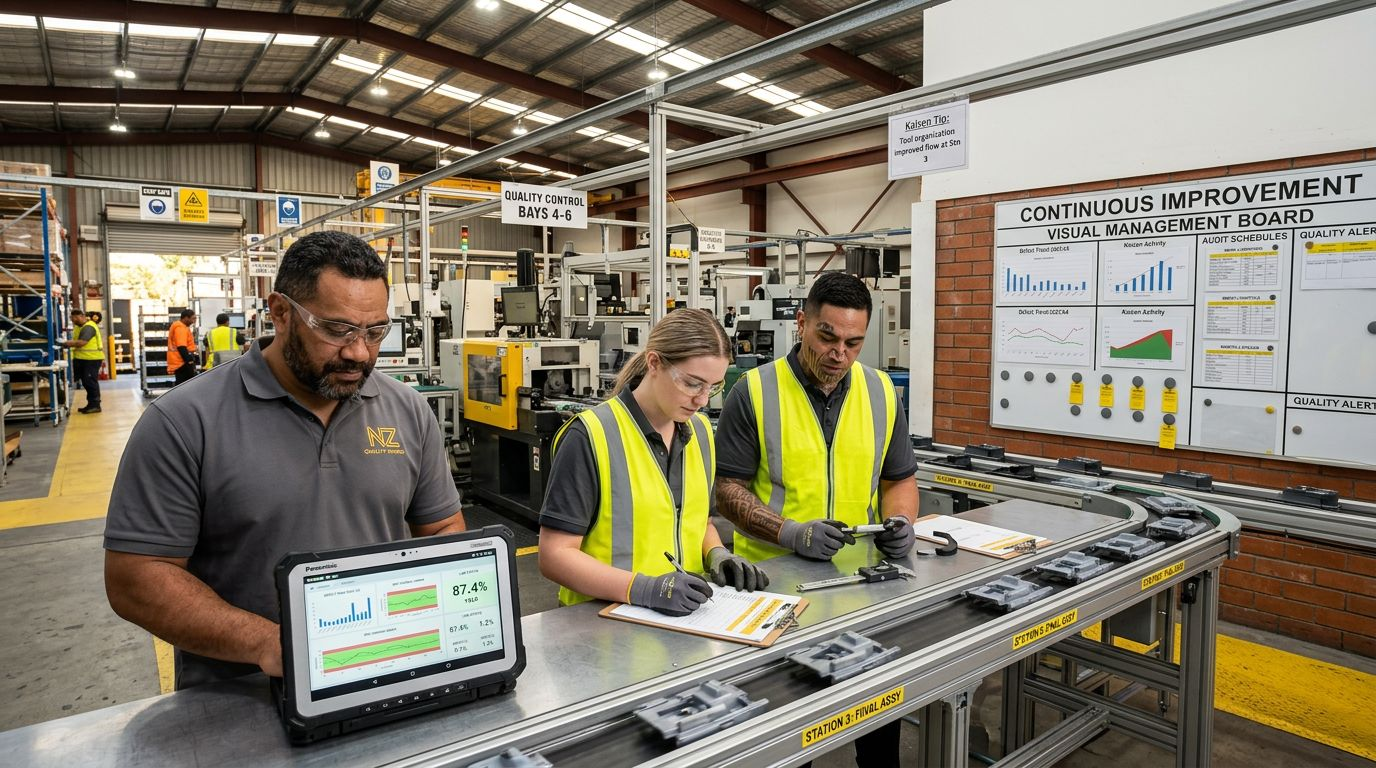
Quality control focuses on maintaining standards, but it also provides the foundation for quality improvement. By constantly monitoring your manufacturing process, you gather the data needed to make informed changes. This is the heart of the "continuous improvement" cycle. You identify a small way to improve product quality, you implement it, you measure the results, and then you look for the next opportunity.
We have seen that businesses which embrace this mindset are much more resilient. They are better at adapting to new materials, changing customer demands, and evolving technology. They don't just meet quality standards; they set them. By treating quality control as a dynamic part of your manufacturing operations, you ensure that your plant stays relevant and profitable in a changing world.
Whether you are a startup in a garage or an established plant with hundreds of staff, the principles of quality control remain the same. Define your standards, monitor your processes, and never stop looking for ways to do things better. In our experience, this is the most reliable path to success in the New Zealand manufacturing landscape. If you are looking to improve your quality and ensure your products are ready for the market, we are here to help you design the systems and documentation that make it possible.